Don't Rip and Replace: Why Optimization Beats Reconstruction
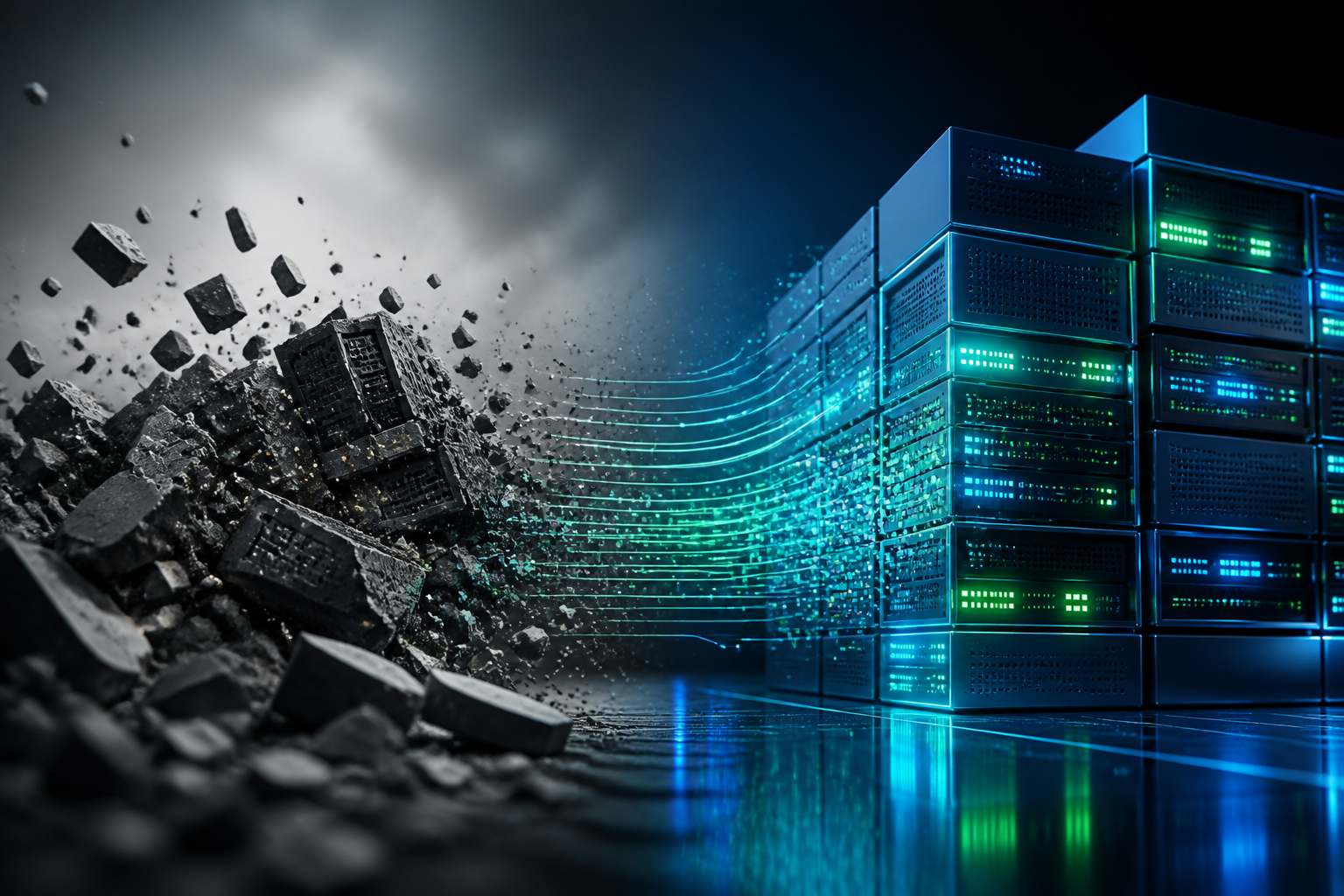
In the fast-moving world of enterprise IT, there is a recurring temptation to equate 'new' with 'better.' When latency spikes, costs spiral, or legacy systems struggle to keep pace with modern demand, the instinctive reaction from leadership is often to rip it all out and start over.
However, the 'Rip and Replace' strategy is frequently a strategic trap. Beyond the astronomical capital expenditure, total overhauls introduce massive operational risks and cultural friction that can set a company back years. At AsTrack, we believe the path to Intelligent Infrastructure isn't about constant destruction, but about surgical optimization.
The Hidden Costs of Starting Over
When a CIO signs off on a complete infrastructure replacement, they aren't just buying new hardware or cloud licenses. They are investing in a transition period that often includes:
- Technical Debt during Migration: Maintaining two environments simultaneously doubles the workload on your DevOps teams.
- Institutional Knowledge Loss: Decades of 'tribal knowledge' about system quirks are wiped out, leading to unforeseen bugs in the new environment.
- Opportunity Cost: Every hour spent on migration is an hour not spent on product innovation or customer-facing features.
Research suggests that up to 70% of large-scale IT migrations exceed their original budget. The 'fresh start' rarely stays fresh for long if the underlying visibility issues aren't addressed.
The Visibility Gap: You Can't Fix What You Can't See
Most infrastructure failures aren't caused by 'old' technology. They are caused by a lack of deep observability. If your legacy stack is underperforming, the problem is often a bottleneck that hasn't been identified, not the inherent limitation of the hardware or architecture.
Before considering a replacement, ask these three questions:
- Do we have a granular view of every microservice interaction?
- Are we over-provisioned in areas that don't drive performance?
- Is the latency caused by the link, or the way the application requests data?
By implementing intelligent monitoring tools, organizations often find that a few targeted configuration changes can yield a 30-40% increase in performance—eliminating the need for a multi-million dollar replacement.
How Intelligent Monitoring Extends Lifecycle
Modern monitoring platforms like AsTrack use AI-driven insights to transform existing infrastructure into a high-performance asset. Instead of replacing the engine, we help you tune it.
1. Identifying Ghost Loads
Often, infrastructure is bogged down by 'zombie' processes or inefficient queries that have accumulated over years. Detailed telemetry allows you to prune these inefficiencies, instantly freeing up resources.
2. Predictive Maintenance
Rip and replace is reactive. Intelligent monitoring is proactive. By predicting when a component is likely to fail or hit its ceiling, you can perform rolling updates that maintain uptime without the chaos of a total migration.
3. Rightsizing via Data
Many companies move to the cloud to 'save money,' only to find their bills are higher than their on-premise days. The issue isn't the cloud; it's the lack of rightsizing. Monitoring data provides the evidence needed to scale back underused instances rather than buying new ones.
The Strategy of Incremental Evolution
The most successful B2B enterprises don't reinvent the wheel every five years. Instead, they embrace Continuous Optimization. By treating your infrastructure as a living organism that requires constant, data-driven adjustments, you build a resilient environment that grows at the speed of business.
This approach yields a much higher ROI. It stabilizes the work environment for engineers, keeps costs predictable, and ensures that when you finally do need to upgrade a specific component, you are doing so based on evidence, not a hunch.
Conclusion
Before you commit to a 'Rip and Replace' project that will dominate your roadmap for the next 18 months, look closer at the data. Intelligent Infrastructure isn't defined by having the newest gear; it's defined by having the smartest insights.
At AsTrack, we empower you to see deeper into your stack, helping you optimize what you have so you can build what you need. Don't replace your foundation—reinforce it.
Frequently asked questions
- What is the primary risk of a Rip and Replace infrastructure strategy?
- A total overhaul introduces massive operational risks, high capital expenditure, and institutional knowledge loss. Research suggests up to 70% of large-scale migrations exceed their original budget.
- Why is deep observability important before replacing legacy systems?
- Many infrastructure failures are caused by bottlenecks and visibility gaps rather than the age of the technology. Identifying these issues can often lead to a 30-40% increase in performance through targeted configuration changes.
- How does intelligent monitoring extend the lifecycle of existing infrastructure?
- It uses AI-driven insights to identify ghost loads, perform predictive maintenance, and provide data for rightsizing underused instances. This allows organizations to tune their current environment instead of replacing it.
- What is the benefit of a Continuous Optimization approach?
- Continuous Optimization treats infrastructure as a living organism, resulting in higher ROI, predictable costs, and a more stable environment for engineers. It ensures upgrades are based on evidence rather than hunches.